
Oscar Nominee Barbara Barrie Dies at 95 After Choosing Medical Aid in Dying
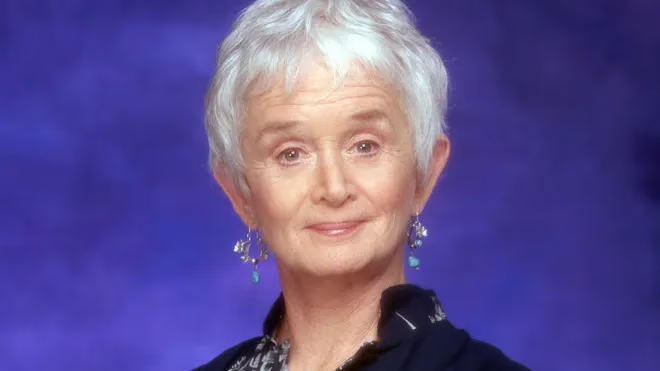
Barbara Barrie, the Oscar-nominated actress best known for her warm portrayal of a determined Midwestern mother in the classic film Breaking Away, has died at age 95. She passed away Wednesday at her Manhattan home after a terminal cancer diagnosis, with her death occurring through New York’s newly enacted Medical Aid in Dying law.
Her daughter, Jane Harnick, confirmed the circumstances. Barrie’s representative noted that she was a proponent and advocate of the law, which took effect earlier this year and allows certain terminally ill adults to obtain medication to end their lives.
Barrie had faced serious health challenges before. In 2014 she was diagnosed with idiopathic pulmonary fibrosis, a progressive and incurable lung disease that scars tissue and makes breathing increasingly difficult. Decades earlier, in the 1990s, she survived rectal cancer after surgery, radiation, and chemotherapy, later writing candidly about the experience in books that encouraged others facing illness.
Her career spanned more than six decades and earned her an Academy Award nomination for Best Supporting Actress for Breaking Away (1979), a coming-of-age story that also won the Oscar for Best Original Screenplay. She received a Tony nomination for originating the role of Sarah in Stephen Sondheim’s Company and won Best Actress at the Cannes Film Festival for the 1964 film One Potato, Two Potato, an early and frank depiction of an interracial marriage. Television audiences knew her as Elizabeth Miller on Barney Miller and as Goldie Hawn’s mother in Private Benjamin. She also wrote children’s books and memoirs.
Barrie is survived by her daughter Jane and son Aaron, from her marriage to the late theatrical producer Jay Harnick.
While Barrie’s long and accomplished life deserves celebration, the manner of her death highlights a profound cultural shift that should give us pause. In an era when medicine can extend life and ease suffering more effectively than ever, the rapid expansion of laws permitting assisted death—now including New York—raises serious questions about the value we place on human life in its final chapters. Traditional American and Judeo-Christian values have long held that life retains inherent dignity even amid pain and decline. Endurance, family presence, palliative care, and spiritual resources once formed the foundation of a “good death.” Today, the growing normalization of medical aid in dying risks treating the end of life as a consumer choice rather than a sacred threshold.
Barrie lived fully for 95 years, surviving earlier cancer and continuing to work and write. Her decision was legal and personal. Yet stories like hers inevitably fuel broader debates: Will vulnerable elderly patients face subtle pressure? Will society invest less in true palliative and hospice care once an “exit option” becomes routine? Conservatives have rightly warned of slippery slopes seen in other jurisdictions where eligibility has expanded far beyond terminal illness.
Barrie’s talent, resilience, and family legacy remain. We can honor her career while still insisting that a culture worth preserving fights for every life—especially the fragile ones—rather than facilitating their end.
Ben Turner
Contributing writer at Sharesplosion, covering trending news and viral stories.
Related stories
 US News
 US News
 US News
‘Heroes’ and ‘Nashville’ Star Hayden Panettiere Dies at 36
Actress Hayden Panettiere, the former child star who became a household name through her roles in “Heroes” and “Nashville,”